Choosing a first aid course is not almost ticking a conformity box. It is about making a decision just how well you want to be able to act when something goes terribly incorrect in front of you. The choice in between a conventional first aid course and an express first aid course impacts how positive you really feel in a real emergency situation and how easy it is to maintain your certification up to date.
I have actually educated first aid and CPR courses for a variety of groups, from child care team and tradies to business groups who would rather be anywhere else than in a training room. The very same inquiry shows up over and over once more:
"Can we do the fast first aid course rather than the full one?"
The truthful solution is, it depends. The fast option functions very well for some individuals and not for others. The remainder of this write-up has to do with comprehending that compromise so you pick the style that fits your skills, your lawful needs, and your life.
What "basic" and "express" actually mean
Different companies utilize different names: standard, complete, level 2, thorough, express, fast, refresher, or mixed. Below the advertising, they are generally talking about the same few variables.
A requirement first aid course (sometimes called Supply First Aid or equivalent) commonly:
- Runs for a full day, frequently 6 to 8 contact hours Includes much more directed practice on situations and equipment Builds in time for concerns, discussion, and repetition
An express first aid course or fast first aid training generally:
- Is much shorter, typically 3 to 5 hours, in some cases less for refresher formats Relies on pre-course online theory or assumed knowledge Moves faster with practical abilities with less downtime
The very same pattern turns up in CPR training too. You will certainly see options like conventional CPR courses, express cpr course, fast cpr courses, or a fast cpr correspondence course. Web content overlaps greatly, yet the rate and depth differ.
The important point is this: period is only half the tale. You require to look at what is instructed, how it is educated, and what experience level it assumes.
What a solid first aid and CPR course ought to in fact cover
Whether you pick a common or express first aid course, the crucial material must be fairly similar. If a supplier is cutting core topics to save time, that is a red flag.
In an excellent first aid and CPR training program, you can anticipate insurance coverage of:
Basic life assistance and CPR
Every trustworthy first aid and CPR course will certainly teach you exactly how to acknowledge heart attack, phone call for aid, begin compressions, and use an AED. For adult CPR, this typically means 30 compressions for 2 breaths, at a price of regarding 100 to 120 compressions per minute. Requirement courses tend to permit more time to exercise deepness, rhythm, and hand placement till it feels natural.
Breathing and airway emergencies
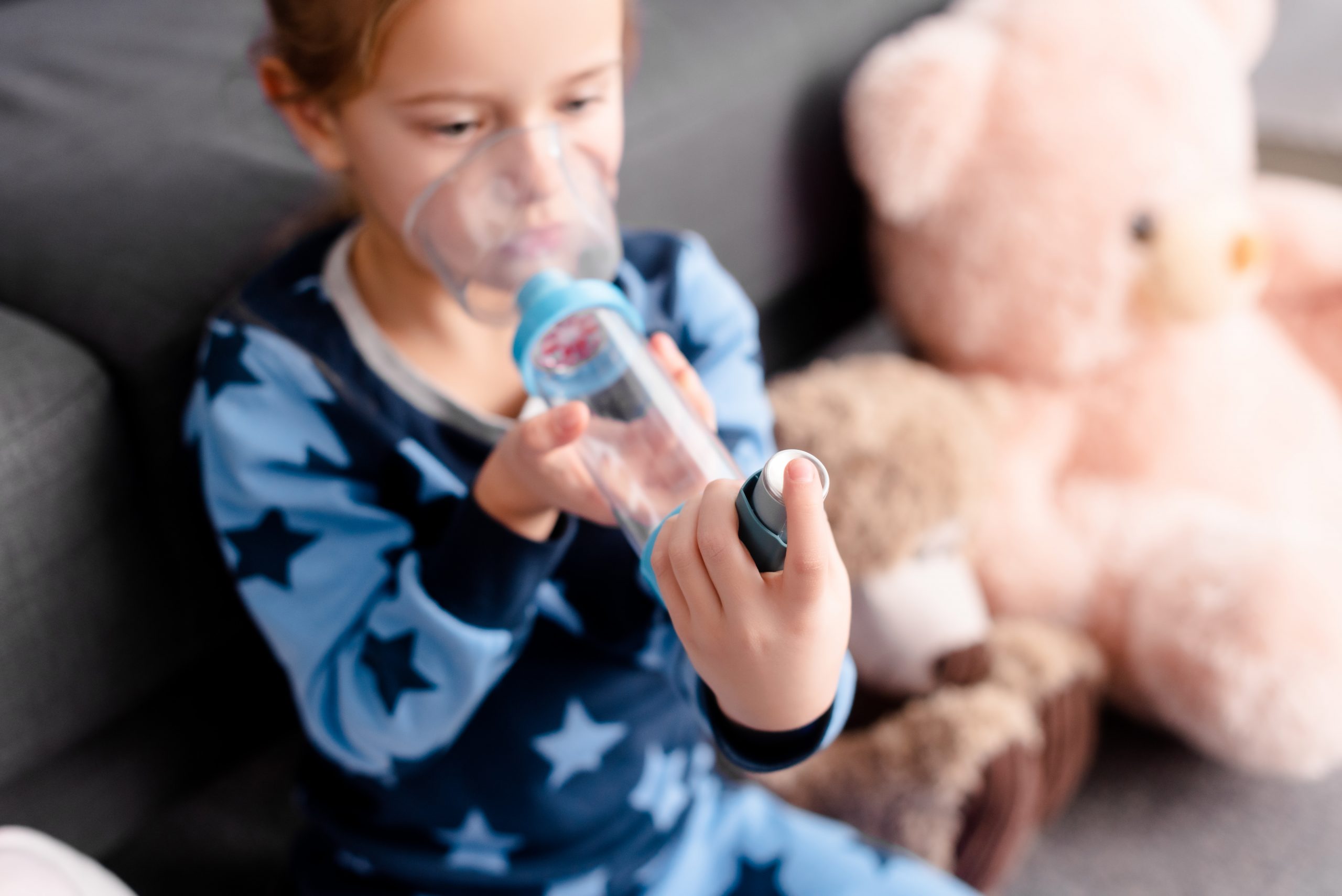
This consists of choking, asthma, anaphylaxis, and circumstances where someone is not breathing generally. In better courses, you should literally practice utilizing an adrenaline vehicle injector, placing somebody in the recuperation position, and managing a vomiting or confiscating patient so they can breathe.
Bleeding, wounds, and shock
You ought to discover how to regulate severe bleeding with first aid courses in Cannon Hill straight stress and bandaging, identify shock, and sustain the person until assistance gets here. Express first aid courses may cover these topics with much shorter circumstances, while basic first aid training may provide you more time to re-bandage, work through various injuries, and obtain muscle memory.
Medical conditions and common emergencies
Cardiac arrest, stroke, diabetes issues, seizures, fainting, warm exhaustion, and hypothermia are all usual items in a detailed first aid course. A great fitness instructor utilizes actual examples and assists you prioritise: what you should remember, what is excellent however not necessary, and when to call for aid instead of playing detective.
Injuries to bones, joints, and head
Sprains, thought cracks, spine issues, and head injuries need to all attribute, especially for work environments with physical risks. The difference in between basic and express formats is generally not whether they appear, however the number of scenarios you get to work through and how much time you need to ask "what happens if" questions.
Legal and useful basics
Responsibility of care, consent, infection control, and how to engage with paramedics matter equally as high as wrapping technique. Lots of express first aid training layouts change this content into pre course analysis or e-learning. A typical class typically utilizes brief conversations or situation studies.
If you are selecting between providers or layouts, request the in-depth course rundown. The words "first aid and cpr course" can suggest extremely various points in practice. You want to see clear protection of CPR, taking a breath emergencies, significant blood loss, subconscious clients, and at least one of the most typical medical conditions.
How time and style transform the finding out experience
I often see individuals concentrate just on "The length of time will I remain in the class?" and neglect what they shed when they shave hours off a course. The effect turns up in three main ways: theory, practice, and assessment.
Theory and knowledge
Standard first aid courses normally mix short theory obstructs with demos and technique. Learners that have problem with reading or on-line systems typically favor this since they can ask inquiries on the spot.
Fast first aid courses and express cpr courses tend to move concept into an on the internet module finished before class. This works well if you are comfortable studying from a screen and can stay concentrated on your very own. It is much less efficient if you are the kind of person that means to do the pre-work, then ends up stuffing late during the night or skipping sections.
Practical abilities and muscular tissue memory
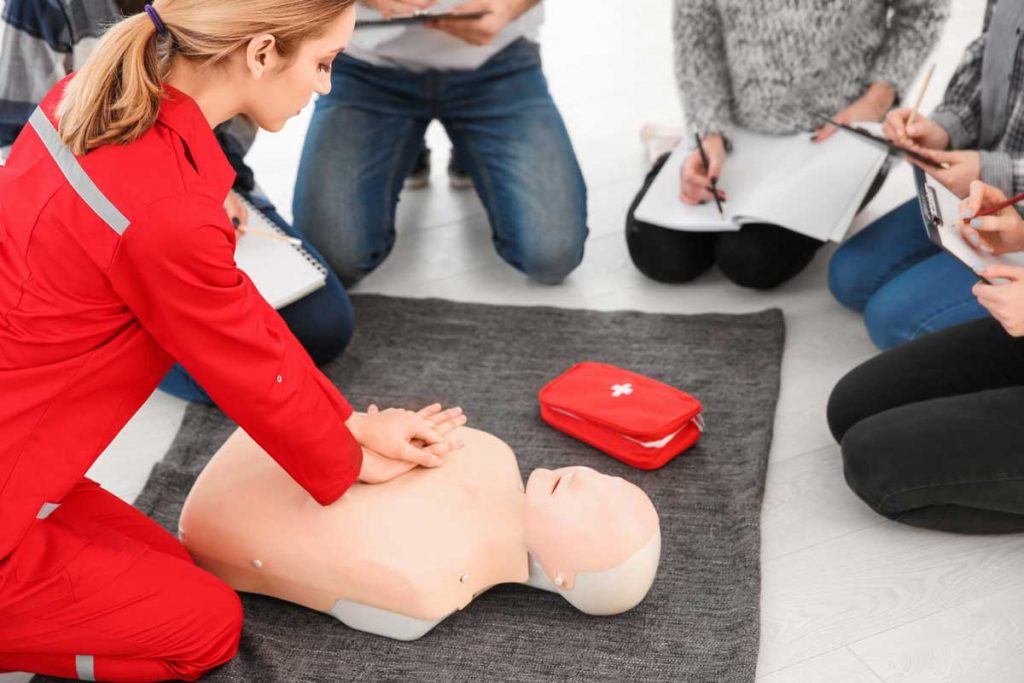
Good first aid and CPR training is physical. You require to stoop, press, roll, raise, bandage, and improvise with what you have. That takes rep.
In a standard course, the fitness instructor has even more time to turn people through circumstances, correct your hand positioning, and duty play a few different emergency situations. I have seen reluctant students come to be truly certain by the afternoon simply because they have had the same crucial steps repeated in somewhat different contexts.
In an express first aid course, that practice window is much shorter. If everyone in the room is already experienced, this can be sufficient. If half the team has not touched a CPR manikin in years, you begin to see hurried method and less opportunity for private feedback.
Assessment and certification
Whether you select fast first aid courses or the longer alternative, the evaluation should meet the same standard if you desire an identified first aid certificate. The distinction is exactly how rushed or kicked back that procedure feels.
A much shorter course usually indicates analyses are packed firmly right into the timetable. Criterion layouts allow even more time to duplicate an ability if you struggle or to review a scenario you located confusing. If you fear regarding examinations or dry runs, that additional breathing time matters.
Who matches a conventional first aid course best
From what I see in classrooms, particular groups almost always benefit from the complete length option.
People that are truly brand-new to first aid
If you have never done first aid training previously, go with a conventional course. You will certainly obtain direct exposure to even more circumstances and hear more questions from others, which usually highlight things you had actually not thought to ask.
Hands-on or greater threat workplaces
Building and construction, manufacturing, warehousing, health care, community services, and hospitality all vomit unpleasant, real world emergencies. Workers in these markets generally require more situation practice: hemorrhaging from machinery, crush injuries, burns, intoxicated or hostile individuals, multiple casualties. A common first aid and cpr course lets the trainer tailor instances to those realities.
Those who do not have self-confidence or feel nervous
I can usually inform in the initial hour that exists since the boss stated so and who really feels a quiet fear regarding the idea of doing CPR on a genuine individual. The nervous group does better when they are not hurried. They need to see the demo twice, attempt it several times, and obtain reinforcement when they do it properly. Pressing that right into an express first aid course can leave them practically experienced theoretically however reluctant when something happens.
People that discover best face to face
Not every person loves on the internet pre-work. If reviewing lengthy blocks of text on a screen makes your mind slide off the page, or English is not your mother tongue, face to face concept with demonstrations will certainly serve you better. The common format offers the instructor extra possibility to clarify and simplify.
Anyone entering an assigned very first aider role
If your name is going on CPR first aid hands-on training the security board as the first aid contact, you want more than the bare minimum. You will certainly be the one individuals consider when something goes wrong. The additional method and Q&A time in a full-day course are worth the investment.
Who may be fine with an express first aid or CPR course
Shorter or fast first aid courses exist for a factor. For some learners, they are not a compromise in all, simply an extra effective path to the very same capability.
Experienced first aiders on a refresher cycle
If you use your skills on a regular basis or attend constant drills, an express first aid course or fast cpr refresher course can be excellent. You are available in with strong muscle memory, spend much less time on fundamental descriptions, and concentrate instead on updates, adjustments in standards, or much less familiar scenarios.
Clinically educated staff
Registered nurses, paramedics, and other professional personnel typically treat first aid training classes as a tick-box demand. They live and take a breath client treatment in even more complex settings than any type of first aid situation. For them, a fast first aid course or express cpr training choice is typically extra respectful of their time while still maintaining compliance.
Time-poor experts with prior knowledge

Remote employees requiring fast certification
People in regional or remote locations sometimes just have accessibility to a fast first aid course near me format on particular days. In those situations, it is better to take a great express first aid course with solid online material than nothing at all.
Childcare and education and learning: when "express" might not be enough
Childcare is various. The threat account, regulatory landscape, and psychological risks are all greater. That is why you see certain choices like express childcare first aid course or express child care first aid training marketed to very early childhood instructors, college personnel, and out of school hours care programs.
In lots of jurisdictions, child care first aid must include:
- Child and baby CPR Asthma and anaphylaxis management Choking in infants and children Recognition of major illness in children
From a useful point ofview, looking after youngsters also implies managing small injuries all day: nosebleeds, falls, allergic reactions, high temperatures, seizures. Personnel need to be able to detect when a youngster goes across the line from "fine with observation" to "requires immediate care".
I have seen express child care first aid courses function well when:
- The group already holds existing child care first aid and is on a short refresher cycle Staff take care of incidents frequently and are actively using their skills Online pre-learning covers youngster particular circumstances in depth
However, for brand-new child care employees, an abbreviated express childcare first aid alternative can feel overwhelming and thin. They profit more from a longer childcare first aid and CPR course that lets them exercise infant CPR repeatedly, discuss genuine events, and unpack the psychological side of dealing with troubled moms and dads and colleagues.
If you collaborate with children, examine your regulatory needs thoroughly. An express childcare first aid course must still meet the mandated material and hours, or you risk being non-compliant.
Regulatory and work environment requirements: what you can not shortcut
Many people initial go to first aid and CPR training because a law, licence, or company policy requires it. That could be a work environment health and safety law, a market criterion, or conditions of specialist registration.
Before you enroll in any kind of express first aid training choice, validate:
Which device or standard is required
Your company or regulator might specify a specific course code or finding out result, not simply "first aid". For instance, a work environment may need a details work-related first aid degree, which can not be fulfilled via an ultra short fast first aid course.
How usually you have to refresh
CPR training is generally needed annual, while full first aid courses may be called for every three years. If you are past due by a number of cycles, some suppliers or regulatory authorities demand a full basic course again as opposed to a brief refresher.
Whether blended knowing is accepted
Some organisations just accept fully one-on-one training, while others welcome on the internet concept plus brief functional workshops. If you select an express first aid course with hefty on the internet web content, check that your company will approve that format before you pay.
Insurance and liability
Certain specialist indemnity policies assume you hold a present, identified first aid and cpr certificate. If your fast certification originates from a carrier that reduces edges, you may technically be qualified yet still face concerns if something goes wrong.
A basic regulation: any kind of express cpr course or fast first aid course must map plainly to the exact same accredited standard as the complete variation. Much shorter does not imply "much less genuine", but it should never ever imply "different qualification".
Cost, value, and the hidden price of "inexpensive and quick"
Price often drives the first concern. A fast first aid course looks appealing if the cost is lower and you only lose half a day of job instead of a full day. For employers, that can accumulate, especially throughout big teams.
However, there are a couple of covert prices to consider.
Lost deepness and confidence
If your group hurries with an express first aid course and comes out with weak abilities, you may pay for it later in avoidable events, near misses out on, or poor actions. I have actually debriefed teams after genuine emergency situations where a person iced up, regardless of practically holding a first aid certificate. Often they completed a fast course, after that never ever mentioned first aid once more till the emergency.
Retraining sooner
Individuals often tend to neglect skills they never practice. A a little much longer basic course can install knowledge more strongly, which might suggest you can extend the time prior to they feel they need casual refreshers, tool kit talks, or added technique sessions.
Impact on culture
This is not a debate that one of the most pricey, lengthiest course is always the most effective. I have seen portable, fast first aid courses delivered with high power, clear explanations, and outstanding practice time. The factor is to assume in regards to worth, not just cost and duration.
A straightforward choice guide
When individuals catch me during a break and ask whether they need to reserve an express first aid course or the basic style following time, I stroll them with a few questions.
Here is a brief list you can utilize in the same way:
Are you brand-new to first aid or extremely rustic? If yes, lean strongly towards a common first aid and cpr course with a lot of functional time. Does your task carry real physical or health dangers? If yes, prioritise deepness and circumstance method over speed. Are you comfy doing significant concept online before course? If no, choose a style where most finding out takes place face to face. Are you a designated first aider or responsible for youngsters or vulnerable individuals? If of course, like conventional or extensive child care first aid courses rather than the fastest express option. Does your regulator or company define a minimum course size or format? If indeed, choose the shortest option that still meets or goes beyond that requirement, yet not less.If you address "yes" to numerous of these, the basic option is usually more secure. If your answers are mainly "no", and you already hold a present certificate, then an express cpr course or fast first aid course is likely to fit you well.
Getting the most out of whichever course you choose
Once you have chosen between basic and express first aid courses, the real value comes from how you come close to the training itself.
Consider these useful behaviors:
Do the pre-work appropriately, not as a box tick. If your supplier sends on-line components before an express first aid or fast cpr course, alloted peaceful time and make note. You will relocate with the practical session extra confidently. Ask "what happens if" questions concentrated on your genuine setting. If you work with a ranch, inquire about equipment injuries. If you work in childcare, inquire about seizures in young children. Instructors usually welcome concrete scenarios. Lean right into the hands-on components. Make use of the manikins, technique bandaging, and volunteer for scenarios, also if you really feel unpleasant. Skills stick when your body has actually done them, not just your eyes have enjoyed them. After the course, go through your office or home and envision where emergencies could occur. Inspect where the nearby first aid kit and AED are, and what obstacles you would face. Refresh briefly between official recertifications. Watch a trusted CPR video clip every couple of months, talk via a recent case with colleagues, or psychologically rehearse what you would certainly do if a person collapsed at your desk.Whether your certificate originates from a full-day common course or a portable express first aid course issues much less than what you bear in mind and can perform under stress and anxiety six or twelve months later.
Effective first aid is hardly ever attractive. It is a series of little, clear activities taken quickly and calmly: tilt the head back, start compressions, press on the injury, comfort the individual that assist is coming. Choosing the right training style is your first step towards being able to do those points when it counts.
Standard and express first aid courses each belong. Match the layout to your experience, your obligations, and your understanding design, then commit to engaging totally. The skills you build in a few concentrated hours can transform the result of the most awful day in someone's life.